If you’re a charity trying to grow donations, this will sound familiar.
You’re doing important work. You’re changing lives. But beyond your core supporters, awareness is low. Campaigns have to deliver fast. Paid media brings people in, but they don’t always convert. And turning one-off donors into long-term supporters feels harder than it should.
That’s where Walking With The Wounded found themselves.
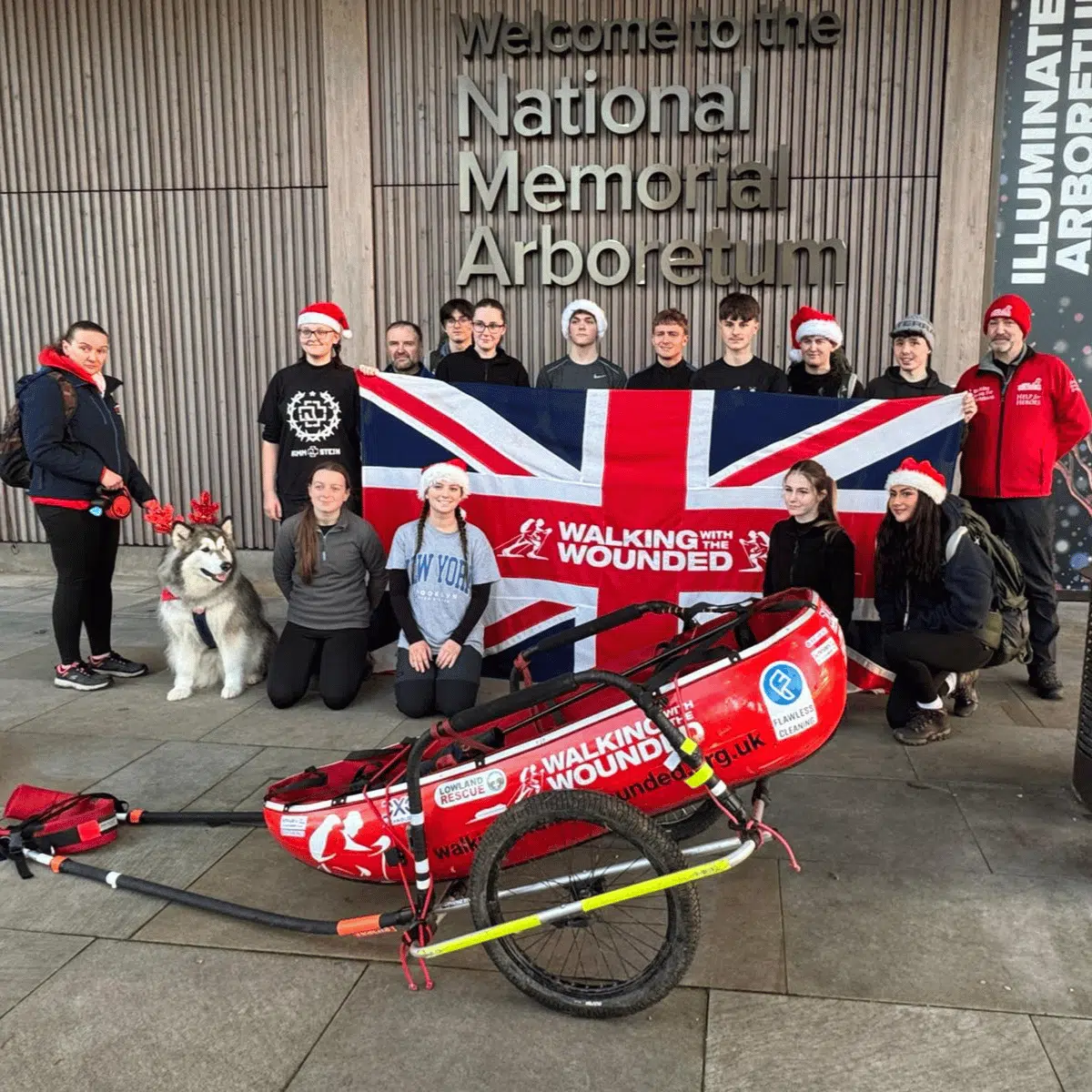
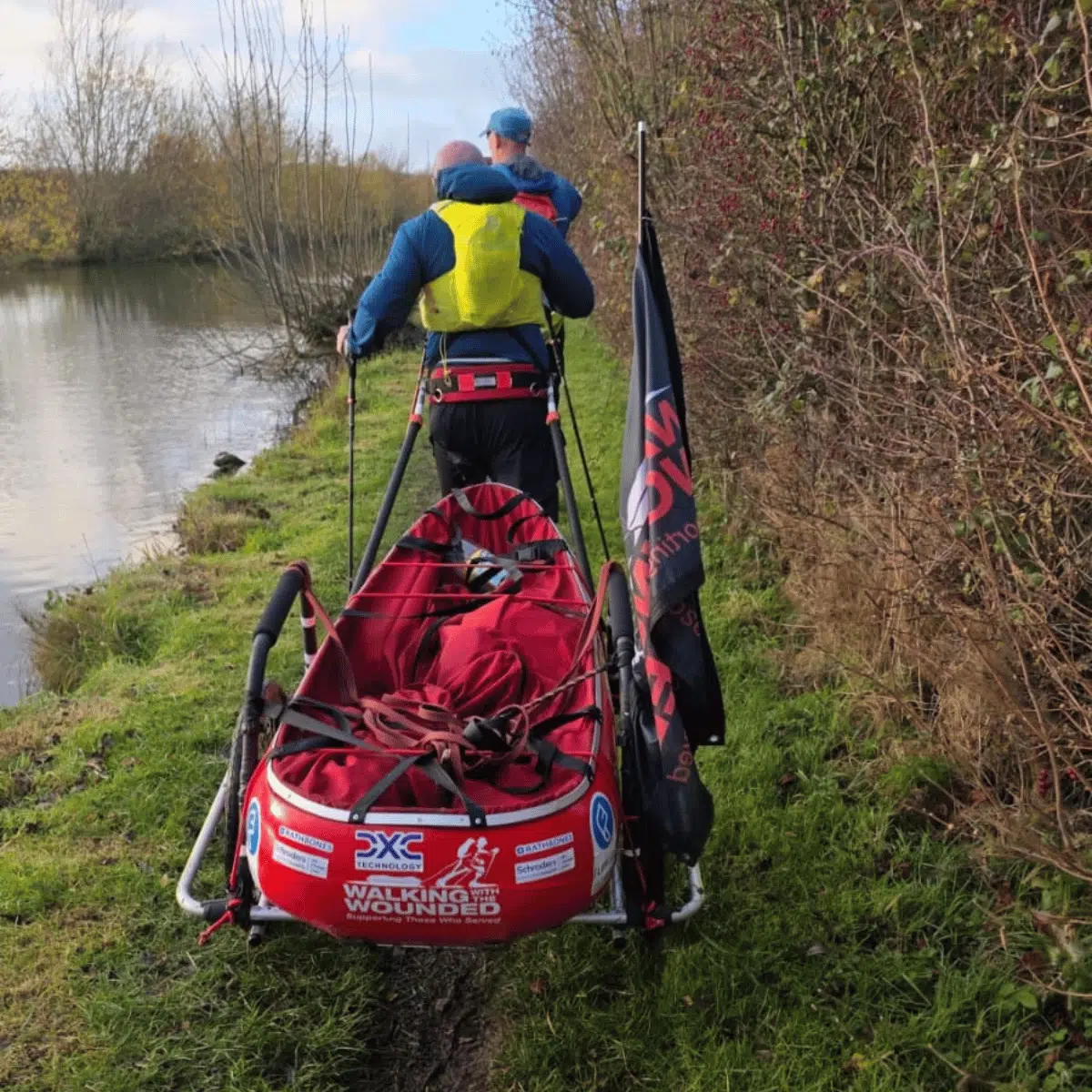
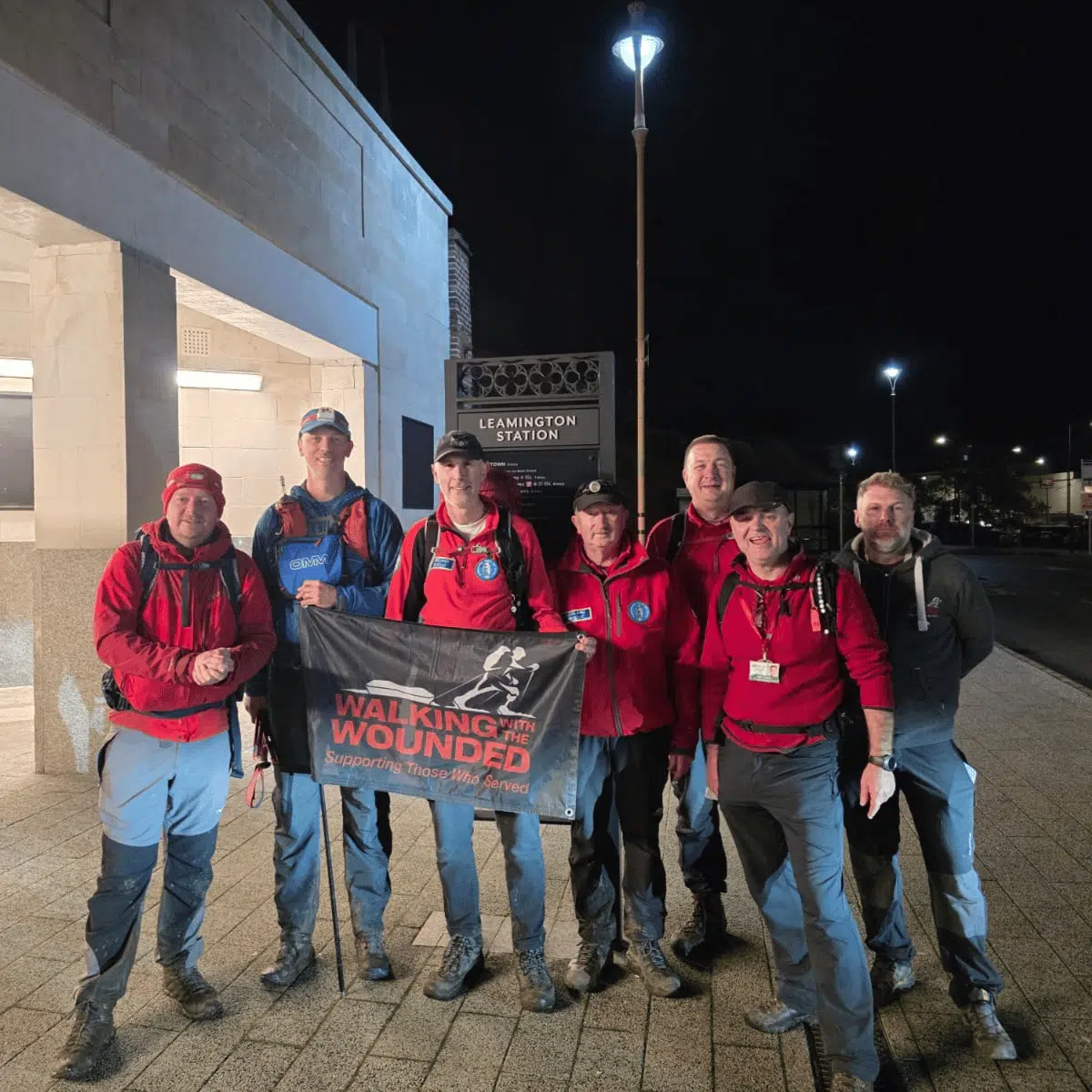
Founded in 2010, Walking With The Wounded (WWTW) is a leading UK military charity built on one belief: Those who served, deserve.
They provide fast, holistic support to ex-Forces personnel and their families facing challenges after service. Employment support. Mental health care. Personalised care coordination. Practical help that restores confidence and purpose.
The impact was strong. The visibility wasn’t.
Outside military circles, not enough people understood who they were, what they did or why it mattered.
With ambitious fundraising targets and growing demand for support, WWTW needed paid media to do more than generate traffic. It had to:
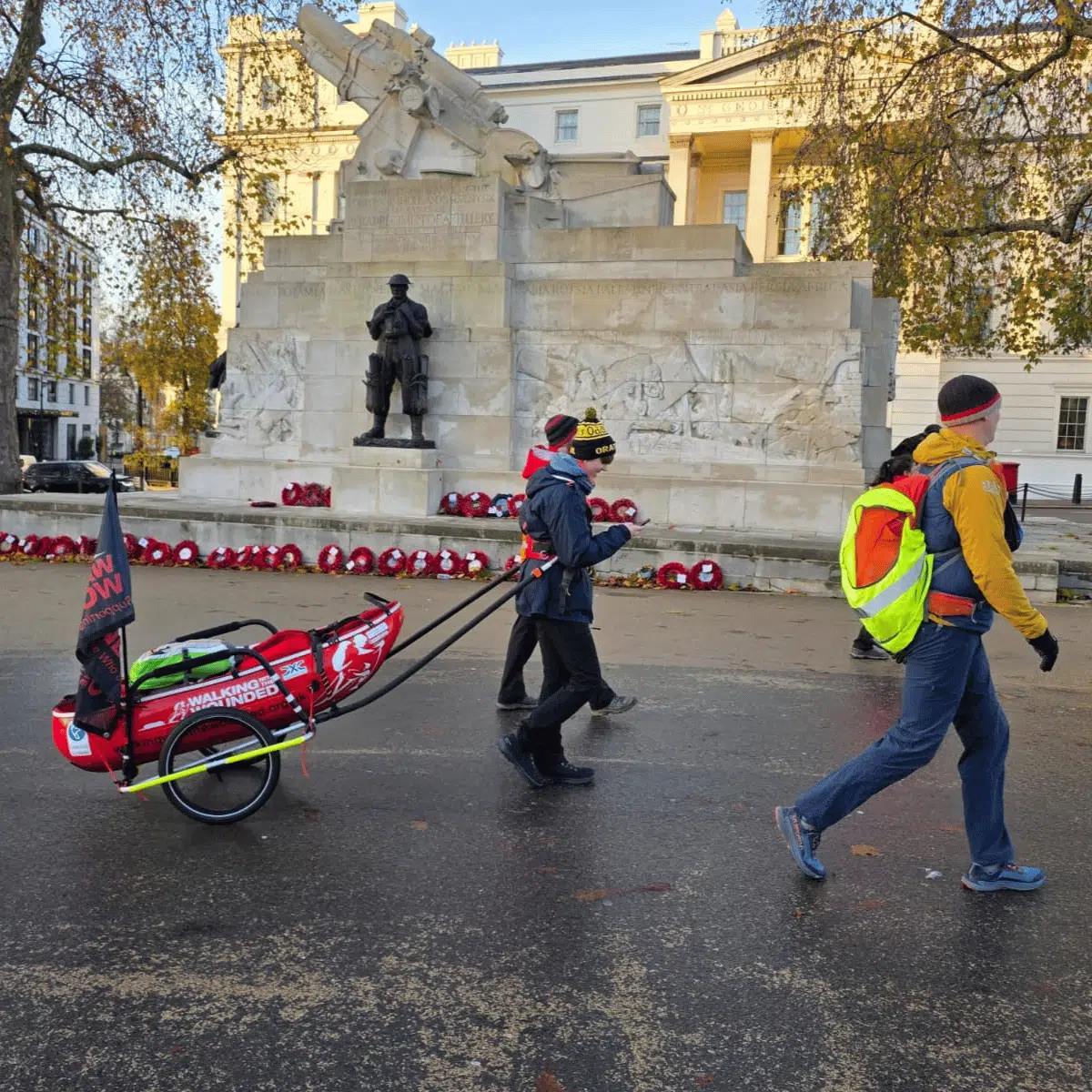
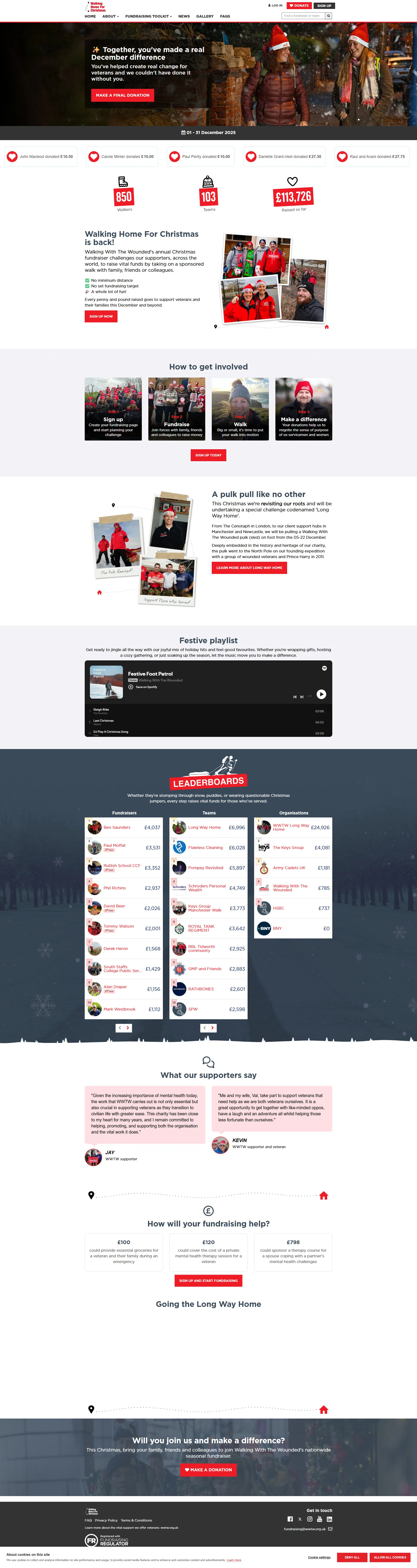
Their flagship seasonal campaign, Walking Home for Christmas, drives a significant proportion of annual income in a short window. When it launches, performance matters.
The challenge wasn’t effort. It was alignment.
Channels were active, but not connected. Prospecting, engagement and conversion were competing for budget. Landing pages weren’t always aligned to intent. Messaging felt broad and familiar.
Activity was happening. Progress wasn’t clear enough.
We focused on one principle: every step should feel connected.
From first impression to donation.
Because when the journey breaks, people drop off.
Budget was being spent on people unlikely to act.
We cleaned up audience data, removed low-quality segments and prioritised people already showing intent, whether that meant searching for support or engaging with veteran-related content.
From there, we expanded intelligently. Using behavioural and interest signals, we built lookalike audiences that mirrored existing supporters.
Less volume. More relevance.
That shift reduced wasted spend and brought in higher-quality traffic from the start.
Campaigns were simplified and rebuilt around how people actually move:
Each stage had a defined role, dedicated budget and aligned messaging.
No more overlap. No more internal competition.
Just a structured path from discovery to action.
Previously, users searching for specific services or ways to give often landed on generic pages. Too much friction. Too many choices. Too many drop-offs.
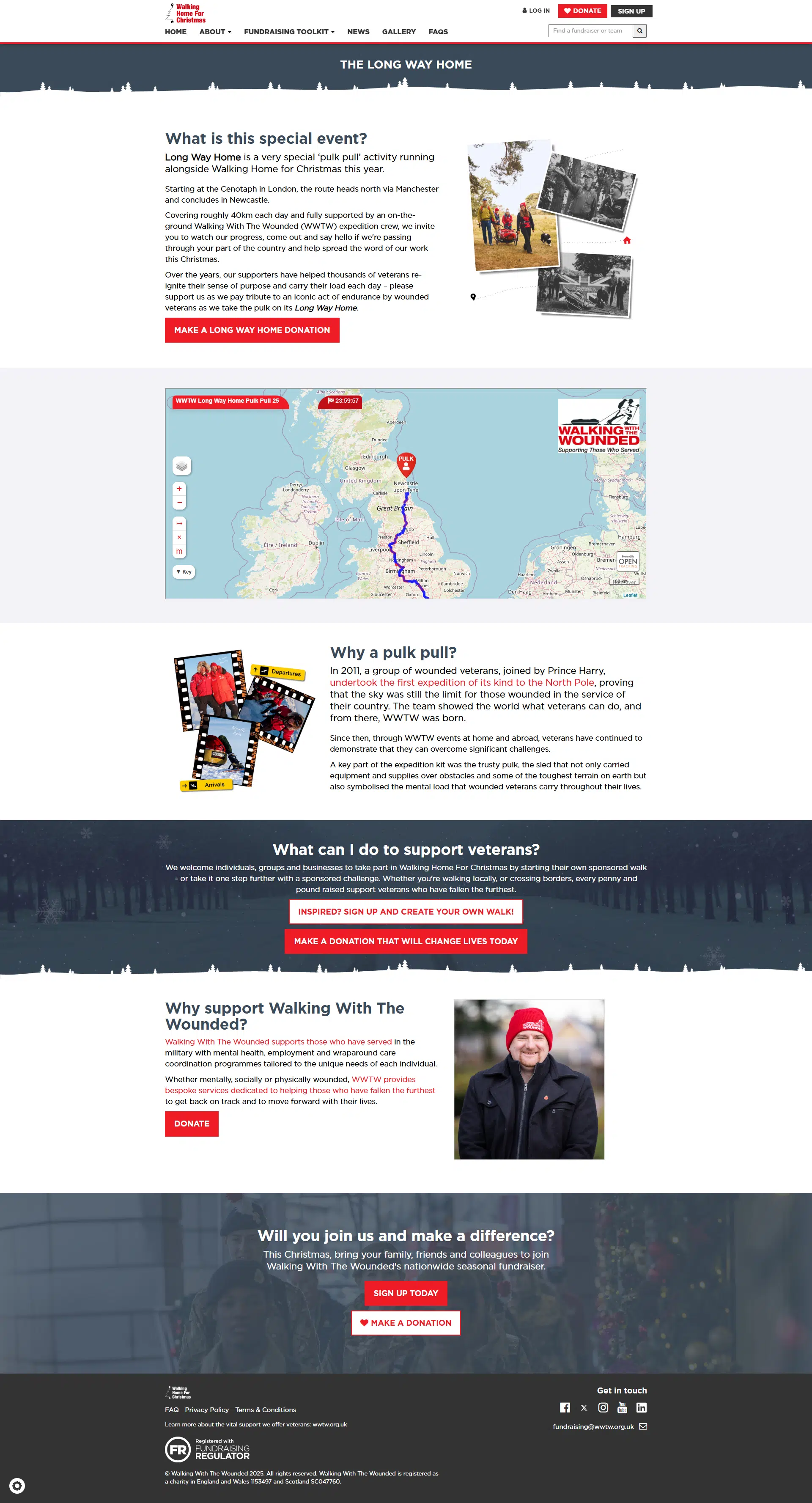
We rebuilt key landing pages to reflect search intent, particularly for non-brand terms.
If someone searched for a specific type of support or donation route, they landed somewhere that made immediate sense. Clear message. Clear next step.
It’s a simple principle. Remove friction, increase follow-through.
Most charity advertising sounds similar. Broad. Emotional. Easy to scroll past.
We sharpened campaign hooks and focused on specific, human outcomes. Not just what WWTW does, but how their work changes individual lives.
Why it matters. Who it helps. What support enables.
Creative was built natively for each platform, not repurposed as an afterthought. We developed a bank of photography, video and reusable templates so campaigns could scale without losing quality or consistency.
Paid, organic and email began reinforcing the same message, instead of operating in silos.
That consistency builds familiarity. And familiarity drives action.
Once live, optimisation became the focus.
We simplified bidding. Removed irrelevant search traffic. Refined remarketing. Shifted budget toward what was working.
Not more activity. Better decisions.
By the time Walking Home for Christmas 2025 launched, the foundations were in place. Targeting, structure and creative had been tested and refined. The campaign was ready to scale.
And it did.
In a tougher advertising landscape, the 2025 campaign delivered:
Performance was driven by stronger use of warm audiences, delivering the majority of registrations and donations.
At the same time, a more structured acquisition layer brought in a significant volume of new supporters, creating a clearer path into regular giving beyond the campaign itself.
The result wasn’t just scale. It was efficient scale.
More visibility.
More engagement.
More donations.
And more veterans getting the support they deserve.
If your marketing feels busy but not fully connected, we’ll help you build a clearer path from first interaction to long-term support.